Saudi Arabia is rapidly transforming into a global logistics powerhouse. With the sector’s value estimated at a staggering USD 5 billion, the demand for modern warehousing—specifically Ambient Storage—is skyrocketing . Unlike refrigerated or frozen units, ambient storage maintains a stable, natural temperature range (typically between 18°C and 28°C), making it the perfect solution for the majority of products that don’t require chilling but still demand protection from the harsh Saudi climate, dust, and humidity .
From electronics and textiles to non-perishable food and spare parts, the condition of your inventory is directly tied to the quality of your warehouse. In this guide, we will explore the critical role of ambient storage in Riyadh and across the Kingdom, and why Units is the top partner for safeguarding your goods.
Ambient Storage: The Backbone of Modern Logistics
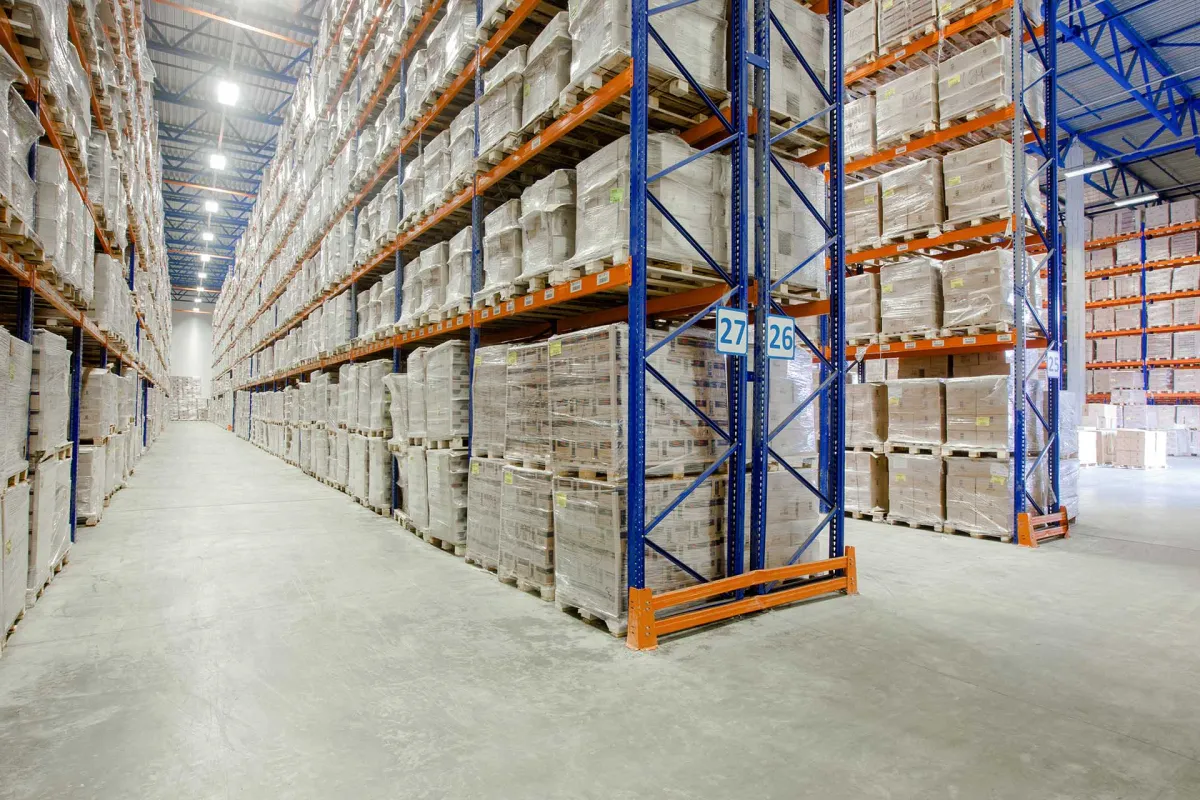
Ambient Storage refers to dry warehousing that maintains a controlled, consistent environment. It acts as a shield against the specific threats of the region: extreme heat that can warp materials, fine dust that infiltrates electronics, and humidity fluctuations that cause mold in packaging .
Products Ideal for Ambient Warehousing:
- Electronics & Accessories: Sensitive components require dust-free environments.
- Apparel & Textiles: Fabrics need protection from moisture to prevent mildew.
- Non-Perishable Foods: Canned goods, rice, and snacks thrive in stable conditions.
- Industrial Tools & Spare Parts: Rust and corrosion are prevented via climate control.
- Office Supplies & Furniture: Maintaining aesthetic integrity during storage .
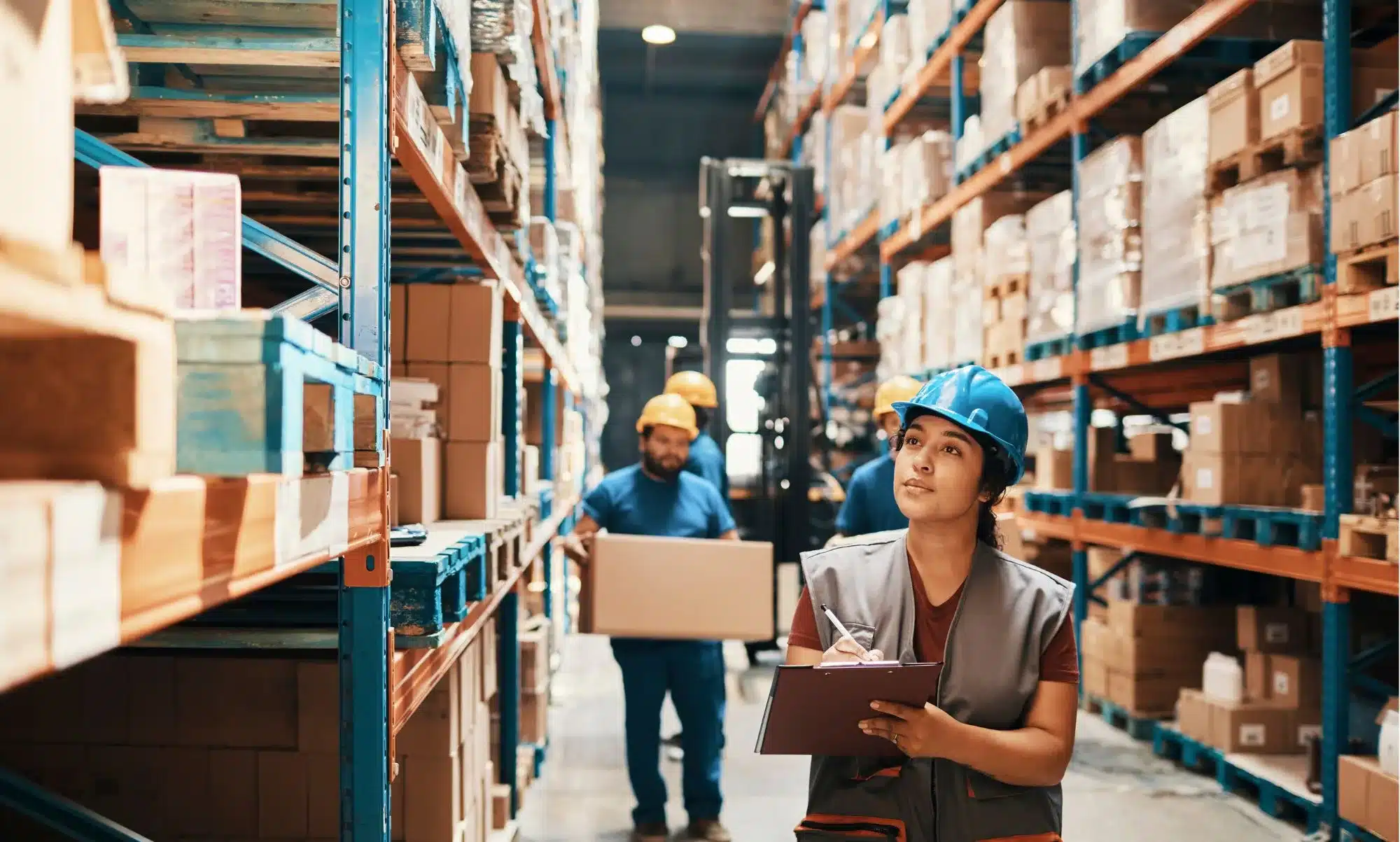
As the Saudi logistics market evolves, businesses are moving away from traditional dusty sheds toward “smart” ambient facilities. These modern spaces offer optimized ventilation, 24/7 security, and real-time digital inventory tracking, ensuring that while the temperature isn’t freezing, the operational efficiency is world-class .
Ambient Storage in Riyadh: Meeting the Capital’s Explosive Demand
Riyadh is currently the epicenter of the warehousing boom, characterized by state-of-the-art logistics hubs designed to support the capital’s massive consumption. With occupancy rates for prime warehousing hitting historic highs, securing the right ambient storage partner is a strategic necessity for any business operating in the city.
1. Massive Capacity Expansion in Riyadh
Recent industry launches have redefined the landscape for Ambient Storage in Riyadh. For instance, the new Thuraya Logistics Hub (operational as of November 2025) has introduced over 51,000 ambient pallet positions to the market . Spanning 34,000 square meters, this facility is purpose-built for the FMCG (Fast-Moving Consumer Goods), retail, and pharmaceutical sectors, offering modular layouts and integrated Warehouse Management Systems (WMS) .
2. The Convergence of Ambient and Cold Chain
The line between simple dry storage and high-tech logistics is blurring. The launch of facilities like Polaris in Riyadh’s Second Industrial City demonstrates a trend toward multi-temperature capabilities. While Polaris focuses heavily on cold chain (freezing and chilling), it also includes a dedicated ambient chamber, recognizing that clients often need to store dry goods alongside temperature-sensitive items under one roof, ensuring seamless supply chain management .
3. Advanced Security and Digital Management
Today’s ambient storage in Riyadh is not just a “shed”; it is a gated community for your goods. Top-tier facilities now offer 24/7 CCTV surveillance, biometric access control, and predictive analytics dashboards that allow clients to view inventory status and transaction history in real-time . This digital layer adds a crucial element of transparency and control for businesses.
Ambient Storage in Saudi Arabia: A Kingdom-Wide Transformation
Beyond the capital, the demand for high-quality Ambient Storage in Saudi Arabia is spreading to all major economic hubs. Under Vision 2030, the logistics sector is a key pillar, driving the construction of world-class facilities from coast to coast.
Strategic Location is Everything
Logistics providers are strategically positioning their assets to cover the entire Kingdom. Companies like Salehiya operate state-of-the-art distribution centers in Riyadh, Jeddah, Dammam, and Khamis Mushait . This geographical spread allows businesses to distribute goods rapidly across the country, reducing shipping times and costs.
Specialized Ambient Solutions
In addition to general ambient storage, the market is seeing a rise in specialized solutions. Companies like Sana Logistics offer customizable ambient units where temperature and humidity levels can be tailored to specific client needs, alongside dry storage and document archiving services . Meanwhile, innovators like Masaha are introducing portable storage options, bringing weather-resistant, insulated units directly to homes or businesses before transporting them to a secure, climate-controlled warehouse .
The Multi-Temperature Ecosystem
Leading providers are moving toward an “all-in-one” ecosystem. The integration of the Thuraya (ambient) hub with the Polaris (cold-chain) hub in Riyadh by Starlinks is a perfect example of this. By offering a continuum of storage types—from ambient (+28°C) to deep freeze (-25°C)—logistics companies are positioning themselves as comprehensive partners for food and pharma giants .
Units: Your Trusted Partner for Ambient Storage
Amidst this rapidly growing market, selecting a partner who prioritizes your specific storage needs is paramount. Units stands out as the top company for ambient storage solutions in Saudi Arabia, combining rigorous safety standards with cutting-edge digital accessibility.
Why Units is the Ideal Choice:
- SFDA-Certified Facilities: Compliance is non-negotiable. Units’ ambient warehouses are certified by the Saudi Food & Drug Authority, ensuring that your products are stored in facilities that meet the highest regulatory standards for safety and cleanliness .
- Built for the Local Climate: Units understands the local environment. Their facilities feature optimized ventilation systems specifically designed to prevent moisture buildup and filter out dust, protecting sensitive goods like electronics and textiles from degradation .
- 24/7 Digital Accessibility: With Units, you are never in the dark about your inventory. Their user-friendly online platform provides 24/7 access to your stock levels, allowing you to manage inbound and outbound logistics efficiently. You can conduct virtual audits and generate reports instantly from anywhere .
- Flexible and Scalable Contracts: Whether you are a small business needing space for a month or a large enterprise requiring a long-term hub, Units offers tailor-made contracts. This flexibility allows you to scale your storage capacity as your business grows, without being locked into rigid long-term leases.
- Comprehensive Security: Your goods are monitored around the clock. Units facilities are guarded by 24/7 surveillance systems and feature strict access control to prevent unauthorized entry, giving you total peace of mind .
Don’t let the elements compromise your inventory. In a market driven by speed and efficiency, the safety of your products starts with the quality of your ambient storage. Experience the perfect blend of safety, technology, and flexibility.
Conclusion
The logistics real estate market in Saudi Arabia is undergoing a historic transformation. As e-commerce flourishes and industrial production rises, the need for secure, tech-enabled Ambient Storage is no longer optional—it is essential.
In Riyadh, the launch of mega-hubs like Thuraya (with 51,000+ pallets) and Polaris (multi-temperature) has set new standards for capacity and efficiency . Across Saudi Arabia, companies like Salehiya and Starlinks are building national networks to ensure goods move seamlessly from Jeddah to Dammam .
To navigate this landscape, you need a partner who offers not just space, but security, regulatory compliance, and digital transparency. Units delivers all this and more. With SFDA-certified facilities, 24/7 digital access, and climate-controlled precision, Units ensures your ambient goods are stored safely and managed intelligently.
Frequently Asked Questions (FAQs)
1. What is the difference between Dry Storage and Ambient Storage?
While often used interchangeably, dry storage typically refers to a basic environment for non-perishables without specific climate controls. Ambient Storage, on the other hand, maintains a controlled temperature (typically 18–28°C) and monitors humidity levels to protect sensitive goods like cosmetics, electronics, and food from heat and moisture damage .
2. What types of products are ideal for ambient warehousing?
Ambient storage is perfect for a wide range of goods that do not require refrigeration. This includes electronics, textiles and apparel, paper products, canned foods, spare parts, office furniture, and cosmetics .
3. Can I access my inventory online at any time?
Yes. Modern ambient storage providers like Units offer a cloud-based digital platform. Clients can log in 24/7 to track inventory levels, view transaction status, and generate reports instantly, providing complete visibility and control over their supply chain .
4. Why is SFDA certification important for an ambient warehouse?
SFDA certification ensures that the warehouse complies with Saudi Arabia’s strict regulatory standards for safety and cleanliness. If you are storing food products, cosmetics, or pharmaceutical items, using an SFDA-certified facility is often a legal requirement and guarantees that your goods are kept in a hygienic environment .
5. Is ambient storage in Riyadh affordable for small businesses?
Absolutely. With the rise of flexible logistics providers like Units and the introduction of portable storage solutions like Masaha, small businesses can now access affordable, short-term contracts that scale with their needs. This eliminates the need for expensive long-term leases and allows startups to pay only for the space they use .